
Engineering Molecular Technologies to Read and Control Biological Signaling
Our laboratory combines protein engineering, directed evolution, and synthetic biology to develop molecular technologies for reading and controlling biological signaling. We apply these technologies to fundamental and therapeutic questions in neuroscience, neurodegeneration, and cancer immunology.
Precision Cancer Immunotherapies
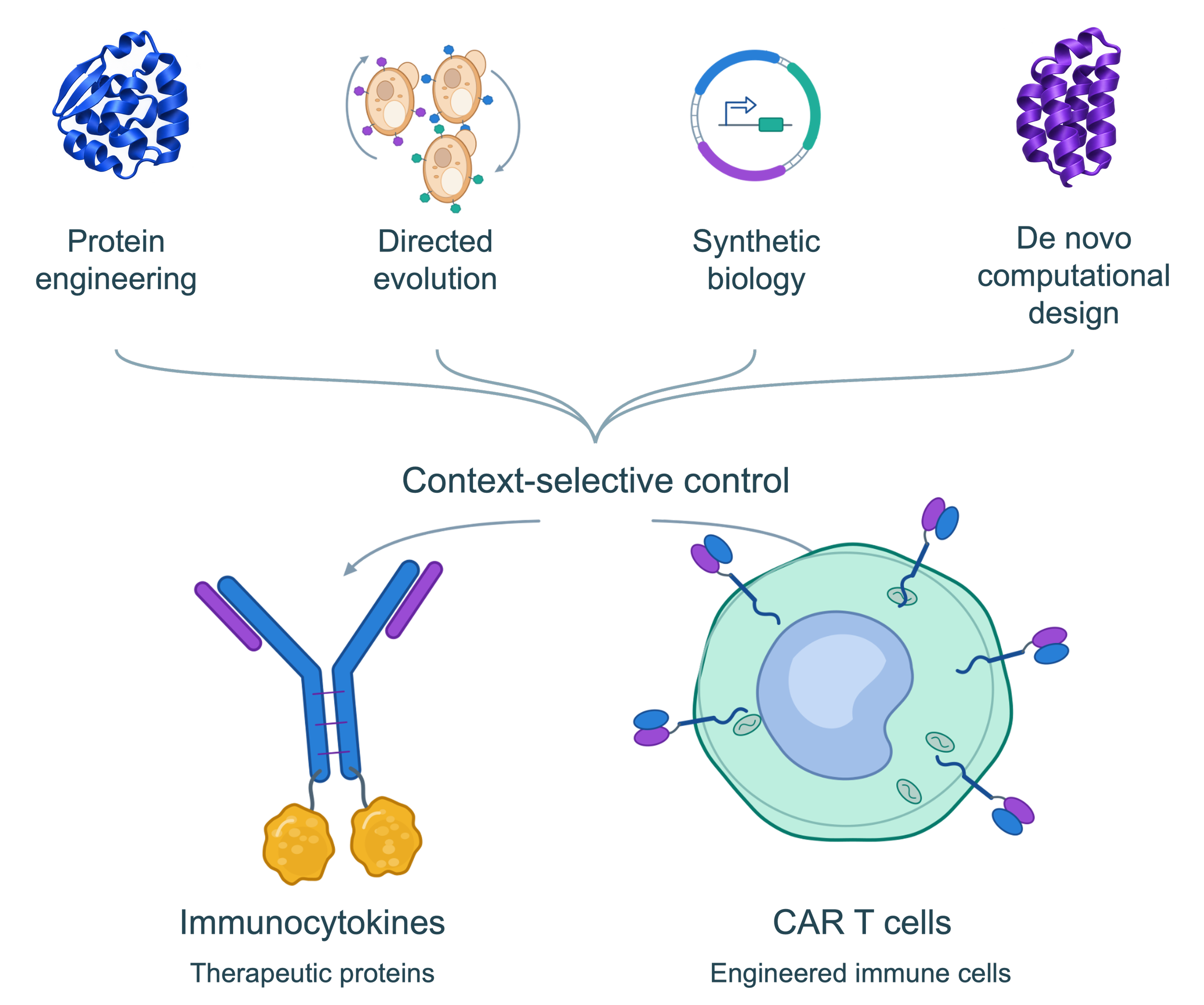
Cancer immunotherapies, including immunocytokines and CAR-T cells, have transformed cancer treatment, yet their broader application is often limited by systemic toxicity and insufficient efficacy against solid tumors. We combine protein engineering, directed evolution, and synthetic biology to develop new classes of precision immunotherapies with enhanced efficacy and reduced toxicity.
Our goal is to engineer therapeutic proteins and cells whose activities can be selectively controlled in specific tissues, cellular environments, or disease contexts, enabling more precise and effective cancer treatment.
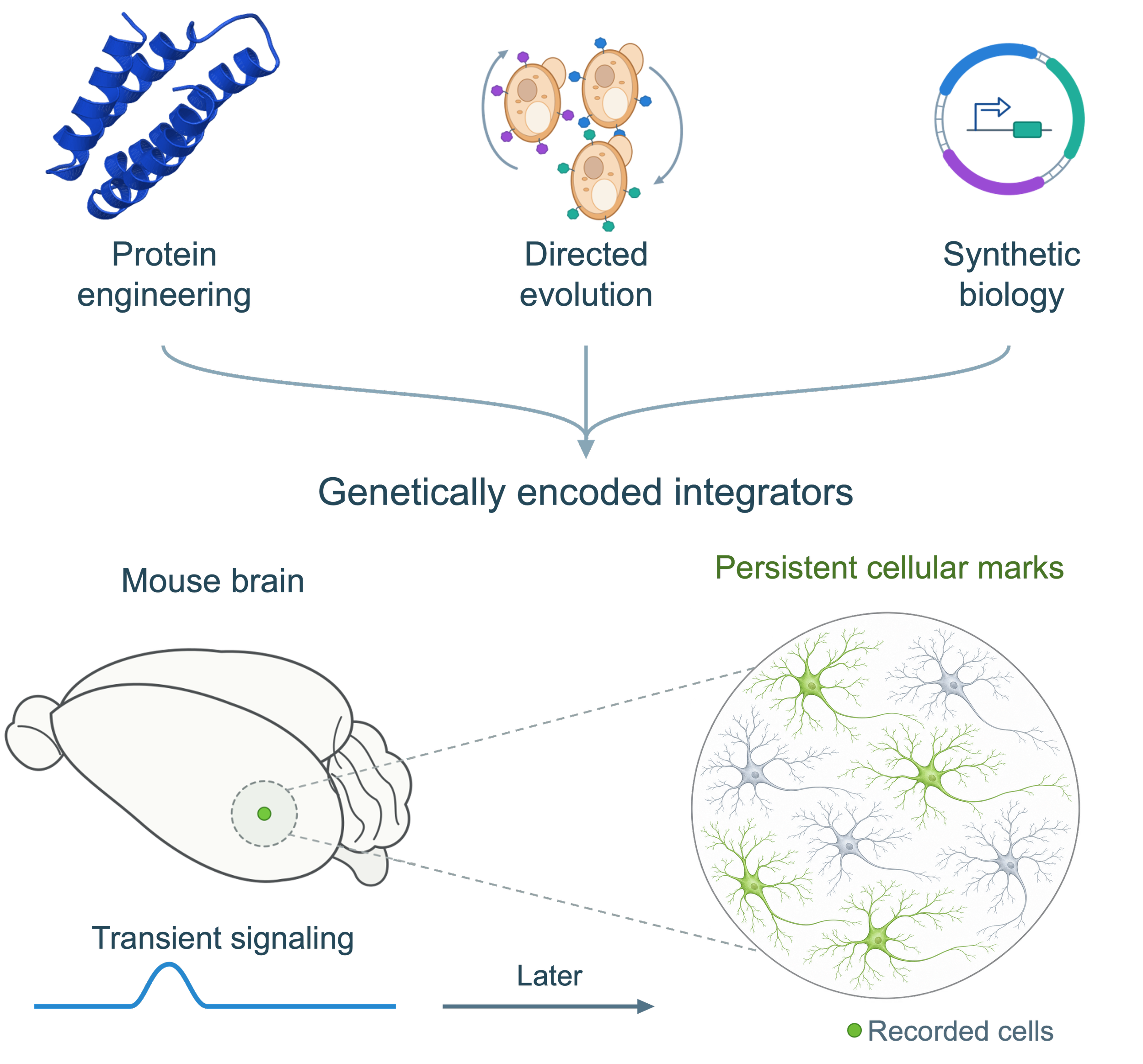
Neuromodulators, including monoamines and neuropeptides, regulate diverse neural circuits involved in behavior and physiology. Understanding when and where these signals are released, and which cells receive them, is essential for uncovering how neuromodulation shapes brain function.
We develop genetically encoded integrator reporters that detect transient neuromodulatory signals and convert them into persistent molecular or fluorescent marks. Unlike conventional real-time sensors, these tools preserve a record of signaling events, enabling neuromodulation to be mapped across large brain volumes with high spatial resolution. We are developing a growing toolkit of integrators for mapping diverse neuromodulators and neuronal activity with high spatiotemporal precision.
Chemogenetic and Optogenetic Tools for Spatiotemporal Control of Neuromodulation
Optogenetic and chemogenetic technologies have transformed neuroscience by enabling selective neuronal populations to be activated or inhibited with temporal precision. We develop new classes of genetically encoded tools for manipulating endogenous neuromodulatory signaling, allowing us to investigate the causal roles of neuromodulators in neural circuits and behavior.
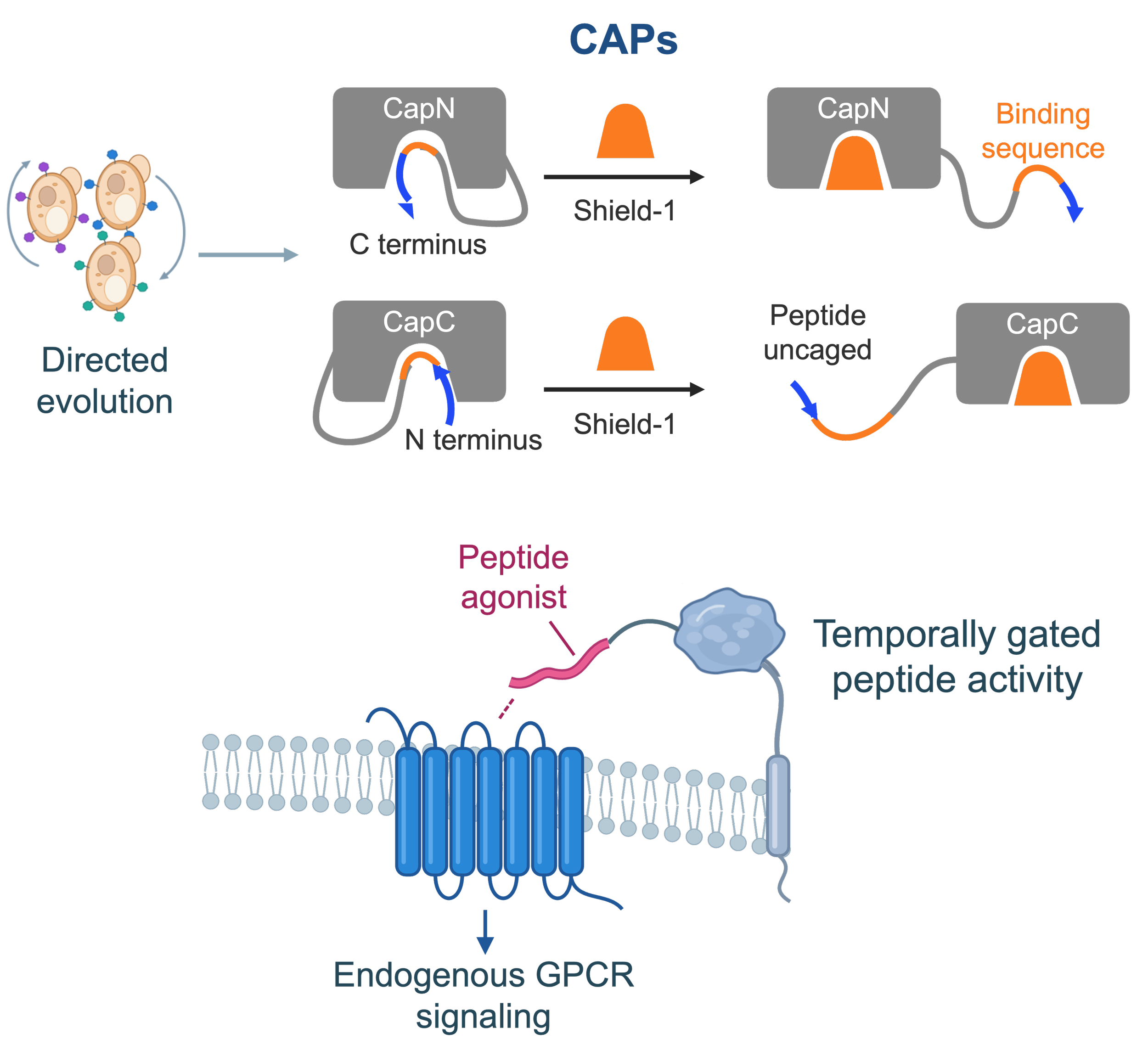
Using directed evolution, we developed Chemically Activated Protein domains (CAPs), a generalizable class of chemical-dependent protein switches that control the accessibility and activity of peptides embedded within engineered protein domains. We demonstrated that CAPs can regulate peptide activity in cultured cells and in vivo in the mouse brain and liver. We have also developed a photoswitchable protein domain that cages the C terminus of bioactive peptides, expanding the toolkit for optical control of receptor signaling. We are applying these molecular switches to create genetically encoded, temporally gated GPCR peptide agonists, providing new approaches for precisely manipulating endogenous neuromodulatory systems.
Integrator Reporters for Mapping Neuromodulation and Neuronal Activity
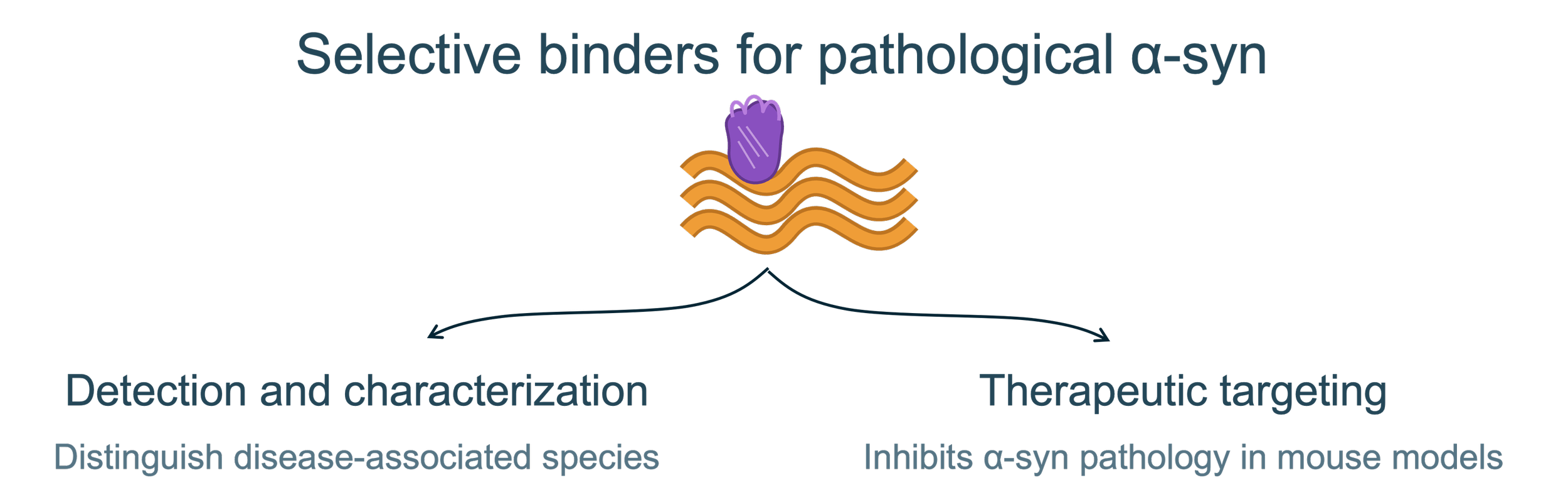
Pathological aggregation of α-synuclein (α-syn) is a hallmark of Parkinson’s disease and related neurodegenerative disorders. We use protein engineering to develop molecular reagents that selectively recognize pathological forms of α-syn and enable their detection, characterization, and therapeutic targeting.
A major focus is the development of protein binders that recognize pathological α-syn assemblies and inhibits the development of α-syn pathology in mouse models. Ongoing studies are investigating its long-term efficacy and therapeutic potential of our previously developed nanobodies, while expanding this approach toward new molecular tools for distinguishing and targeting disease-associated α-syn species.